Permanent magnet motors for the way your equipment actually runs.
Compare the TYB, TYP and TYPCX motor routes, then match the machine to its real speed, load and installation conditions. ENNENG's product range supports industrial motor selection; the final configuration is reviewed against your application data.
For OEM designers, plant engineers and technical procurement teams.
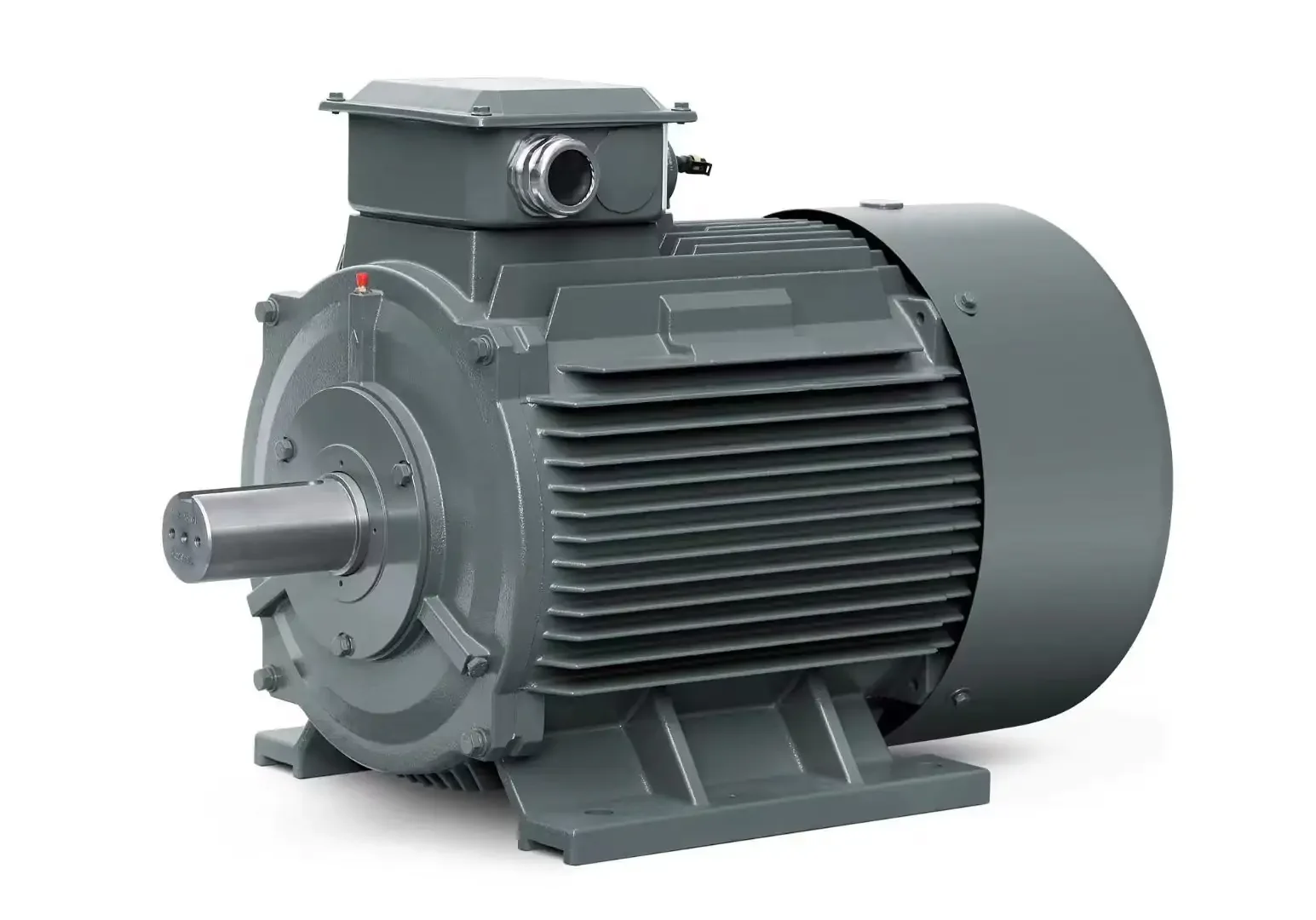
Three routes into the same engineering conversation.
Series names organize the first review. They do not establish a rating, efficiency level or drop-in fit without a model-specific data sheet and the required duty point.
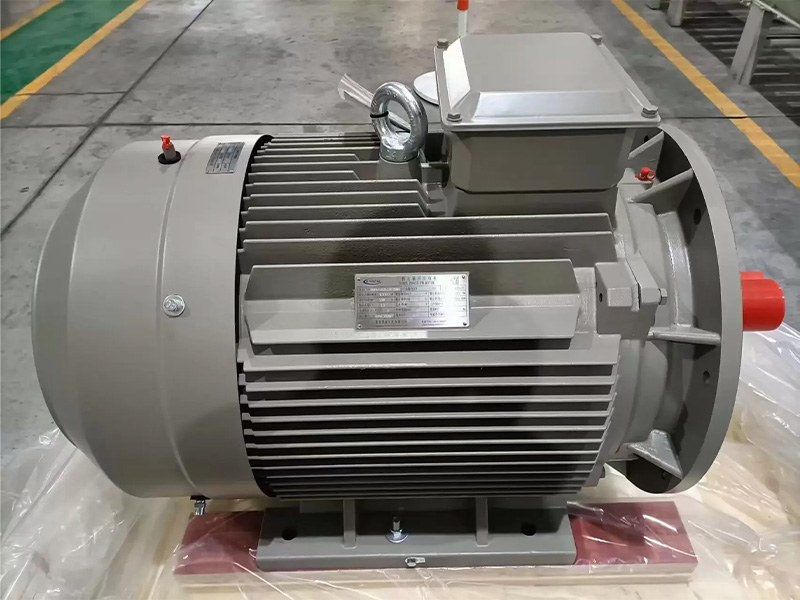
TYB series
A standard-type permanent magnet motor route. Start here when a known duty point and installation envelope can be compared with a defined motor family; confirm the actual rating and interface in the project review.
Examine TYB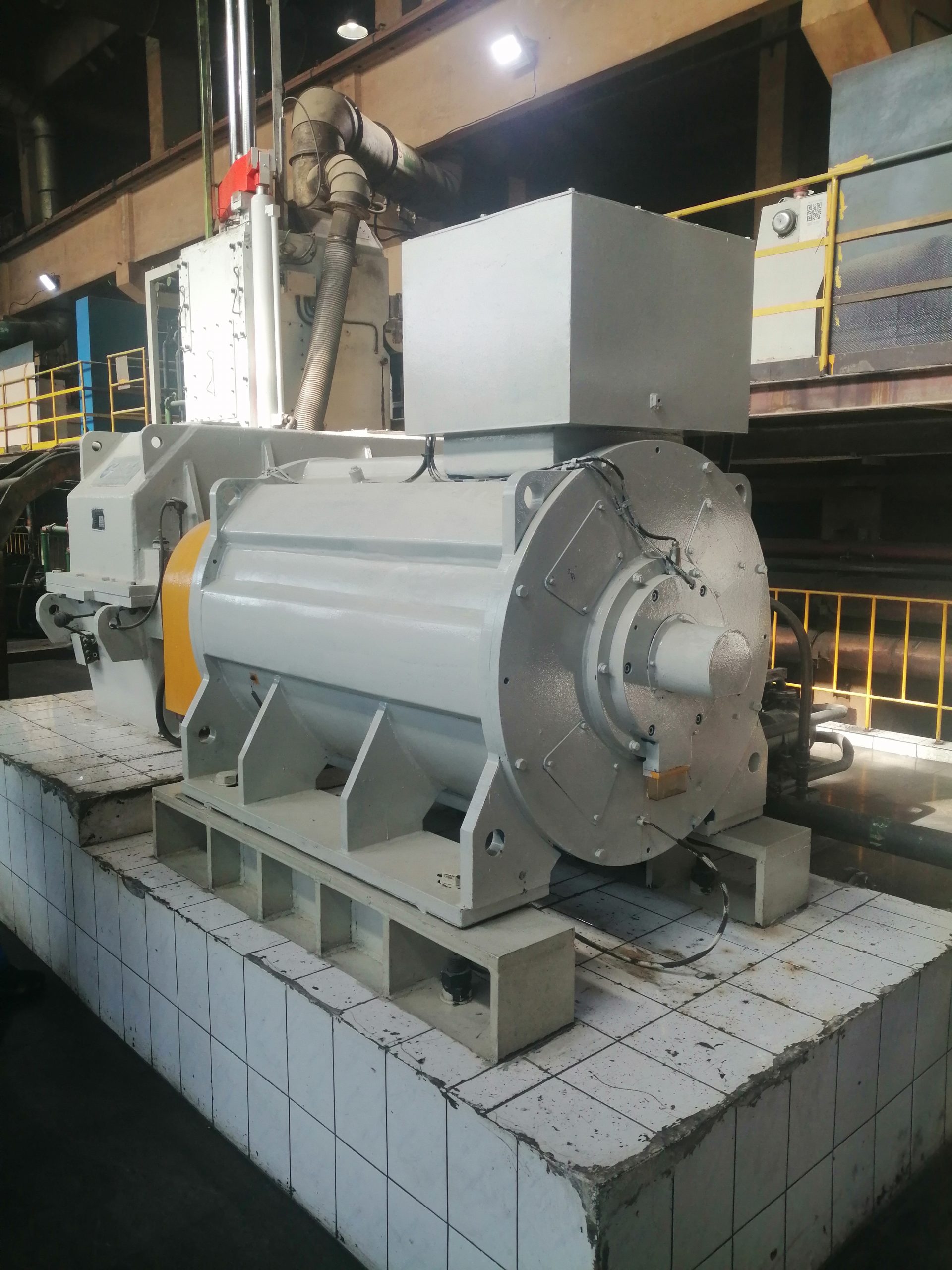
TYP series
A general-type route for industrial driven equipment. The selection needs the required shaft speed, continuous and transient load, supply arrangement, cooling conditions and mounting drawing.
Examine TYP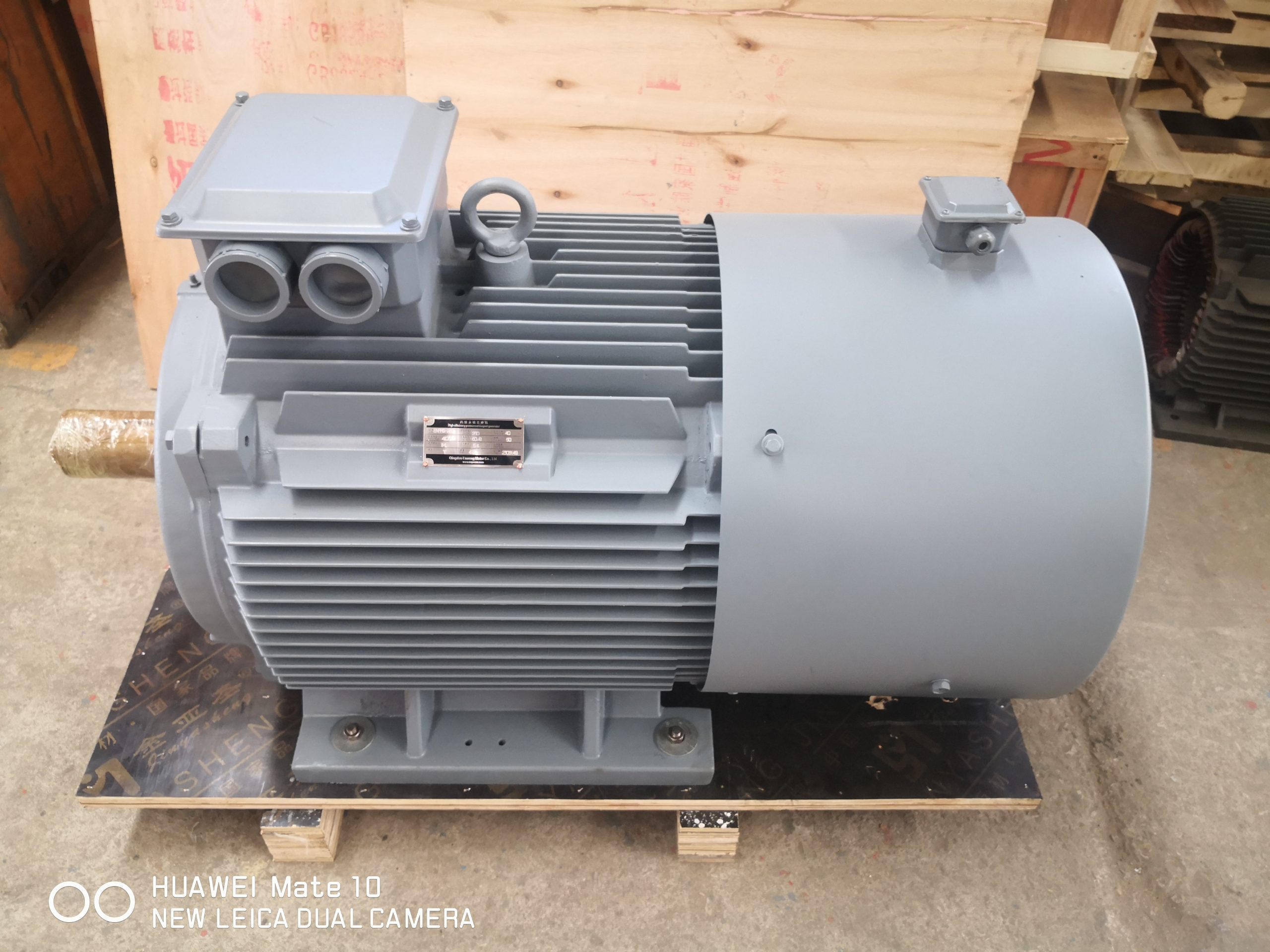
TYPCX series
A tailor-made route when a standard mechanical or electrical configuration cannot meet the operating envelope. Send dimensional constraints and the complete duty cycle before a configuration is proposed.
Examine TYPCXAlready have a motor nameplate or drawing? Share it with the operating profile so that the replacement boundary is clear.
Open the selection guide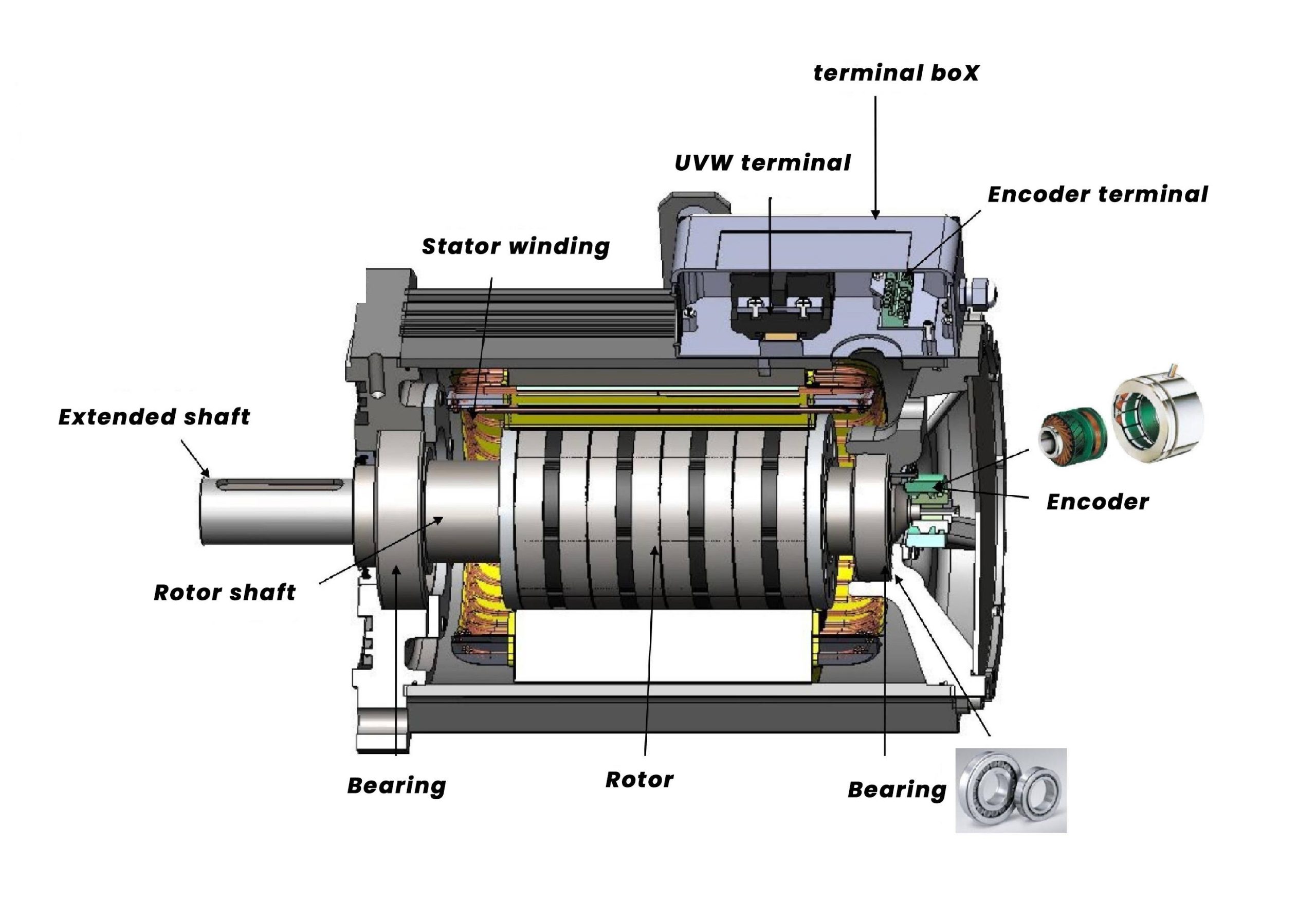
A magnet rotor is only the starting point.
Permanent magnets establish the rotor field while controlled stator current produces a rotating magnetic field. That principle helps explain why a PMSM differs from an induction motor, but the usable motor still depends on electromagnetic design, thermal duty and drive control.
For a useful comparison, identify continuous and peak torque, the time spent at each speed, starts per hour and the cooling method. The same motor label can cover very different mechanical interfaces and operating envelopes.
Read the PMSM explanationStart with the machine, then evaluate the motor.
Pumps, air-moving equipment, compressors and production machinery can impose different torque curves, starting events and speed ranges. Describe the process before treating a motor as interchangeable.
What does the shaft need to do?
Record the required output at normal and limiting operating points. Include load changes, acceleration, minimum continuous speed, available supply and the existing transmission. Those inputs make the first technical exchange more useful than a generic horsepower request.
Explore application considerationsSix inputs make a motor inquiry actionable.
An engineering review should identify the proposed motor, drive, driven machine and installation boundary. Unknown values can be marked as estimates, but the uncertainty should be visible.
- LoadContinuous power or torque, peak events and their duration.
- SpeedRated, minimum and maximum speeds, plus acceleration time.
- ElectricalSite voltage, frequency and the proposed inverter or control method.
- ThermalDuty cycle, ambient conditions, cooling and enclosure needs.
- MechanicalShaft, coupling, mounting, bearings and available envelope.
- AcceptanceThe operating points and measurements used to approve the installation.
Questions to settle early.
Can one rated power value select a PMSM?
No. Shaft speed, torque over time, starting and overload events, cooling and the inverter arrangement are also needed. Two machines with the same rated power can require different designs.
Is a permanent magnet motor always the more efficient option?
A motor comparison is meaningful only at the same operating points and system boundary. The drive, auxiliaries and transmission may change the result for a real installation.
What should an OEM send for an initial review?
Provide the driven equipment, duty profile, rated and minimum speed, voltage, starting requirement, ambient conditions, shaft dimensions and available installation space.
How to use this information.
Product photographs and series names on this page come from the ENNENG source archive. The engineering explanations describe general motor-system considerations; they do not certify a particular TYB, TYP or TYPCX rating. A project proposal should identify its model data sheet, the drive arrangement, the operating points used for comparison and the measurements expected during acceptance. If existing equipment is being replaced, document the baseline under comparable process conditions before calculating energy or maintenance benefit.
Bring the duty profile. We will identify the next engineering questions.
Send known load, speed, voltage and mounting details. Where field measurements are missing, mark the assumptions so a technical discussion can resolve them.